
Historical Context of Casino Design
Casino design has evolved significantly since its inception, reflecting broader social, cultural, and technological changes. In the early days, casinos were often simple structures, primarily focusing on utility rather than aesthetics. These establishments served as gathering places for local communities, where gambling and online pokies nz were just two of the many social activities available. The design was functional, often influenced by the architectural styles of the time, which meant that many early casinos were modest and unassuming.
As gambling gained popularity in the 20th century, particularly during the Prohibition era in the United States, the design of casinos began to reflect a more luxurious atmosphere. This shift was symbolized by the opulence of resorts in Las Vegas, where casinos were integrated into elaborate hotels. These venues began prioritizing entertainment and spectacle, leading to the iconic designs characterized by neon lights, grand entrances, and themed decor, which distinguished them from ordinary gambling houses.
The evolution of casino design can also be traced through the influence of renowned architects who sought to create memorable experiences for visitors. Designers like Steve Wynn introduced concepts that focused on creating immersive environments. This approach not only catered to the gambling aspect but also integrated dining, shopping, and entertainment, thereby redefining what a casino could represent in society. These changes underscored a transition from mere gambling establishments to comprehensive leisure destinations.
The Influence of Technology on Modern Casino Design
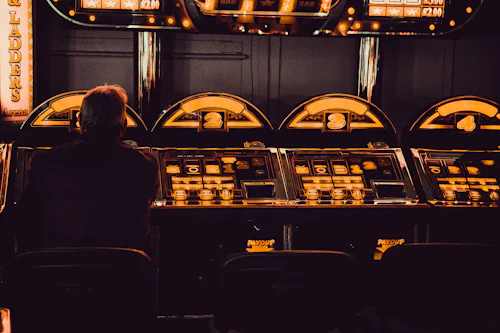
With advancements in technology, modern casinos have transformed both in their operations and design. The integration of digital displays, advanced gaming systems, and interactive environments has revolutionized the way players engage with games. Today’s casinos often feature electronic gaming machines that provide a seamless blend of graphics and sound, creating an immersive gaming experience that was unimaginable a few decades ago. Designers now incorporate high-tech elements into their layouts to enhance user experience and engagement.
In addition to gaming technology, modern casinos are increasingly utilizing virtual reality (VR) and augmented reality (AR) to appeal to a broader audience. These technologies allow for unique gaming experiences that go beyond traditional table games and slot machines. For instance, VR can transport players into virtual casinos where they can interact with others in a lifelike setting, all from the comfort of their homes. This technological integration has pushed designers to rethink spatial arrangements and user interactions within the casino.
Moreover, sustainability has emerged as a crucial factor in contemporary casino architecture. The design of new casinos often emphasizes eco-friendly materials and energy-efficient systems. Green buildings not only reduce environmental impact but also attract a demographic that values sustainability. Incorporating features like natural lighting, efficient water systems, and sustainable landscaping has become a priority. As such, the evolution of casino design is now intertwined with technological advancements that promote both engagement and eco-consciousness.
Shifts in Design Philosophy
The philosophy behind casino design has undergone significant shifts, particularly with the rise of experiential design. Whereas older casinos focused mainly on maximizing gaming space, contemporary designs prioritize creating an atmosphere that encourages social interaction and entertainment. This shift is evident in the open floor plans that many new casinos adopt, allowing for a fluid movement between gaming areas, restaurants, and lounges. Such layouts foster an environment where patrons feel more engaged with their surroundings.
Another notable trend is the creation of themed casinos that transport visitors into different worlds. Designers use architectural elements, decor, and lighting to create distinct atmospheres representative of different cultures or historical periods. This approach not only makes each casino unique but also adds a layer of storytelling to the experience. A casino may evoke the glamour of a vintage casino in Monaco or the excitement of an old-school Las Vegas show, enriching the visitor’s overall engagement.
Additionally, the integration of art into casino design has become increasingly prominent. Many modern casinos feature installations by contemporary artists, turning lobbies and gaming floors into immersive art galleries. This practice not only enhances the aesthetic appeal but also elevates the status of casinos as cultural venues. By blending art with gaming, casinos can attract a more diverse clientele looking for thoughtful experiences rather than just gambling opportunities.
Global Trends in Casino Architecture
As global tourism rises, so does the influence of cultural patterns on casino architecture. International destinations are now shaping casino designs that reflect their unique cultural identities while simultaneously catering to global visitors. This trend has led to the creation of casinos that are not only gambling venues but also cultural landmarks. For instance, casinos in Asia have been influenced by local customs and traditions, seamlessly integrating local architecture into their designs, making them attractions in their own right.

The aesthetic and functional choices of casinos around the world also showcase a blend of tradition and modernism. Some establishments incorporate local materials and craftsmanship to create a sense of place, making them stand out in the global market. Whether it’s the intricate tile work in a Mediterranean casino or the sleek modern lines of a skyscraper casino in an urban setting, these design choices resonate with both locals and tourists, thereby enhancing their appeal.
Moreover, the rise of mega-resorts, particularly in regions like Asia and the Middle East, has resulted in casinos transforming into significant entertainment complexes. These resorts may feature lavish hotels, shopping centers, and world-class dining, all designed cohesively to offer a complete leisure experience. This trend highlights how casino architecture is evolving beyond traditional models, responding to a demand for comprehensive entertainment that caters to various preferences and lifestyles.
Exploring the Future of Casino Design
The future of casino design holds exciting possibilities as trends continue to evolve. As consumers grow more tech-savvy, the expectation for convenience and personalization in gaming environments increases. Casinos might soon integrate artificial intelligence to tailor experiences based on individual preferences, offering personalized game recommendations or targeted promotions. This level of customization will likely redefine the player’s relationship with the casino space.
Moreover, the focus on community and wellness is projected to shape future designs. As societal values change, casinos may integrate more wellness-oriented facilities such as spas, fitness centers, and green spaces within their designs. Such features not only promote a healthier lifestyle but also encourage visitors to see casinos as places of relaxation and leisure rather than solely gambling destinations.
Additionally, the hybridization of online and offline gaming presents an opportunity for innovative design solutions. The challenge will be to create spaces that enable seamless transitions between physical and digital experiences. This might involve designing interactive environments that cater to both in-person visitors and online players, ensuring that each experience complements the other. As the landscape continues to shift, casino design will play a crucial role in shaping how leisure and entertainment spaces are perceived and experienced.